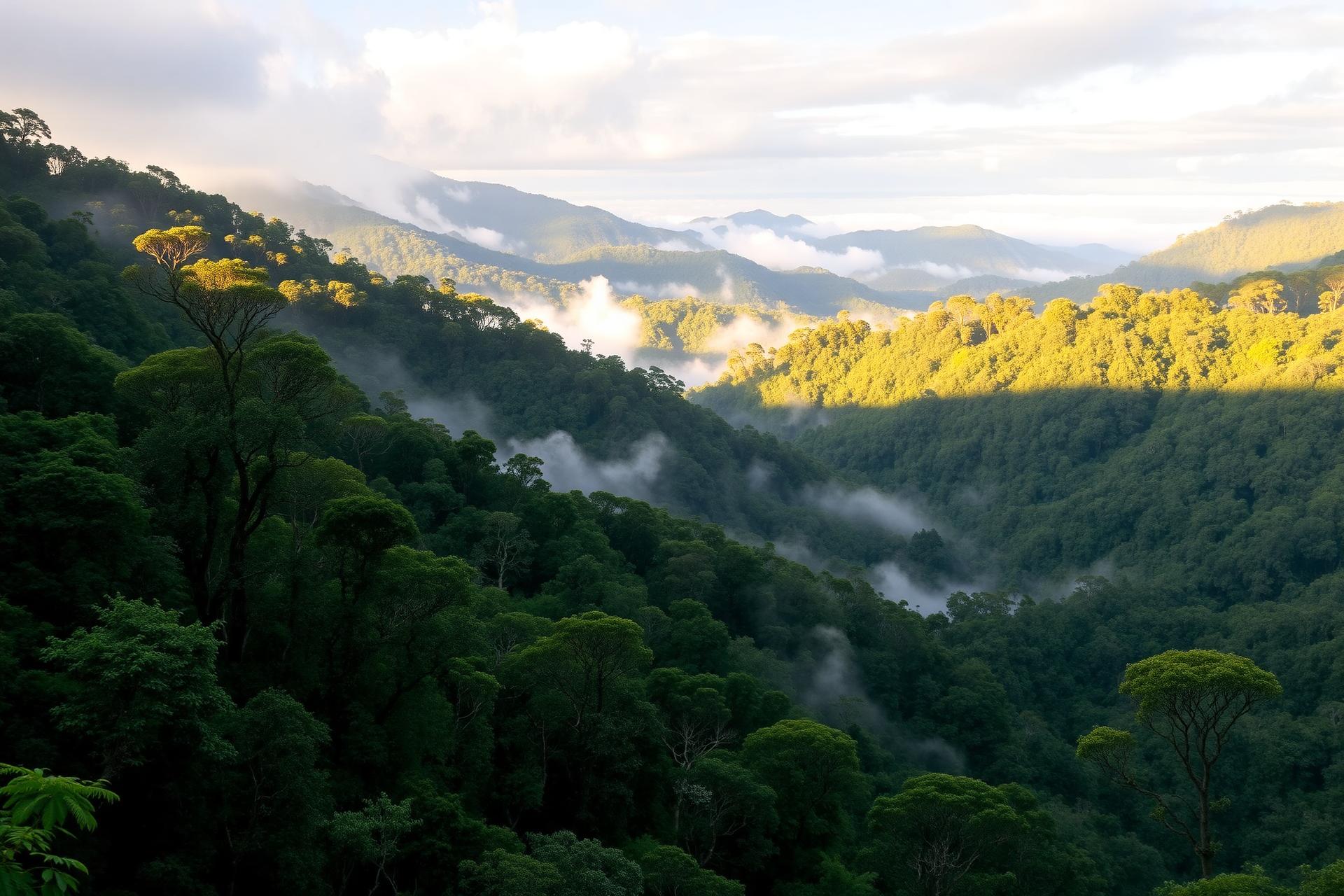
There's a moment that almost everyone describes when they first drive off the tourist strip and into the residential streets of Tamborine Mountain. A kind of click. Like something falling into place. I've heard it from clients, I've read it from people who've moved there, and I've felt it myself.
The problem is, that feeling can cloud your judgement when it comes to one of the biggest financial decisions of your life. So this guide is my attempt to give you the full picture — the lifestyle, the property market, the restaurants, the weather, and the stuff nobody tells you until you've already signed a contract.
What Actually Is Tamborine Mountain?
First, the geography. Tamborine Mountain isn't really a mountain at all — it's a rare geographic phenomenon, a plateau formed by millions of years of lava outpourings from Mt Warning in the Tweed, which cooled in layers to create around 8km of rich volcanic soil. Sitting within the Scenic Rim, it's made up of three core villages: Mount Tamborine, North Tamborine, and Eagle Heights. Each has its own character.
The place name Tamborine comes from the Yugambeh language meaning "wild lime," referring to the finger lime trees that grow wild on the plateau — once used as a thirst quencher and traded to early settlers for cooking and jam making.
Population sits at around 8,000 people. The median age is 50, which tells you something about who's typically drawn here — it skews toward people who've made a deliberate lifestyle choice, not those chasing convenience.
The Climate: Cooler, Greener, and Occasionally Wild
The weather is one of the mountain's biggest selling points — and one of its biggest practical considerations.
Tamborine Mountain sits at approximately 550m above sea level and has a sub-tropical to temperate climate. Temperatures rarely exceed 30°C in summer, and it consistently runs at least 5°C cooler than the Gold Coast or Brisbane, with nice cool breezes that help even further on hot evenings.
Average daytime maximums range from around 29°C in January down to 21°C in July, with nights dropping as low as 8–10°C in the cooler months. For anyone who's spent a Gold Coast summer feeling like they're living inside a hair dryer, the mountain air is a genuine lifestyle upgrade.
Winter days typically dawn to clear blue skies, with a few very light frosts marking the season. The first part of summer brings warm, clear days and spectacular evening thunderstorms in traditional tropical style — and after Christmas, the north-west monsoon rains roll in to replenish the underground water supply that most of the area relies on.
That last point matters a lot when you're buying. More on that below.
The Property Market
There have been 224 houses sold in Tamborine Mountain in the past 12 months, with a median sale price of $1.1M — up 9.2% annually. Average days on market sits at 49 days, with vendor discounting of around 6.3%. That discounting figure is worth noting — it means there's genuine negotiating room if you know how to use it.
The rental market is equally active. With growing tourism and lifestyle migration, rental yields are sitting at around 4–5% annually, with strong demand from both holiday renters and long-term tenants.
North Tamborine is the lifestyle hub of the mountain — famous for boutique shops, cafes, and art galleries, it attracts buyers looking for a vibrant community and proximity to tourist attractions. Property types range from charming cottages to more modern homes, with prices slightly higher due to its central location.
The reality of buying here is that stock is relatively thin at any given time. When good properties hit the market, they move. Off-market opportunities do exist but require relationships — this isn't a market where Realestate.com.au tells the full story.
Areas to Know (and One to Think Twice About)
Not all parts of the mountain are equal. From local knowledge and research, here's a rough breakdown:
Forest Park — Quiet, consistent, and reportedly one of the areas least affected by power outages even during major storms. Highly regarded by locals.
Old Eagle Heights — Tree-lined streets, ocean views, walkable to shops and amenities. Has its own charm and is consistently sought-after.
North Tamborine (Main Street area) — The social heart of the mountain. Great for lifestyle buyers, but weekends belong to the tourists. As a local, you learn to shop during the week.
North of Wongawallan Road toward Eagle Heights Hotel — Worth a closer look before committing. Local commentary flags this area as more exposed to storm damage and more susceptible to opportunistic crime than other parts of the mountain. Do your due diligence.
Read this twice
What Nobody Tells You Before You Buy
This is the section that counts. The mountain is genuinely beautiful. It's also genuinely remote, and it comes with a different set of responsibilities than your average suburban purchase.
Tank water and septic systems. Most properties on the mountain run on tank water rather than town water. In a good rainfall year, you won't think about it. In a dry year, you may need to truck water in — that can cost anywhere from $350–$450 per delivery. Inspect the tank capacity carefully, understand the rainfall history of the specific property, and budget accordingly. Similarly, septic systems require maintenance and occasional servicing. Not a dealbreaker, but not something to ignore either.
Mould. The mountain is wet and lush, which is part of why it looks the way it does. It also creates conditions that favour mould growth inside homes, particularly in poorly ventilated or older properties. Always get a thorough mould inspection before buying — not just a general building and pest. This is non-negotiable.
Power outages. Storms can and do cause power outages, particularly where large trees are involved — a reality of any mountain environment. Most established locals run petrol generators for exactly this reason. When the power goes out on tank water, so does your water pump — meaning no flushing either. Worth knowing before you move in.
Internet connectivity. Coverage has improved significantly, but it's patchy depending on which part of the mountain you're on. Mobile reception generally requires Telstra to get reliable service. If you're working remotely, confirm the specific connectivity at any property you're seriously considering — not just the suburb generally. Starlink is a solid backup option if fixed internet is unreliable.
Insurance. Get this sorted before you fall in love with a property. Flood, storm, and landslide coverage varies significantly between providers. Some of the mountain's more precarious land has a history of movement — there have been documented cases of properties built on unstable ground. Your conveyancer and building inspector need to be thorough here.
Roads and access. The mountain roads are narrow and winding, and in a bad storm they can close. Factor in that major shopping (Woolworths, Coles, a proper shopping centre) is 30–40 minutes away on a good run. There's an IGA on the mountain and one at Canungra, which covers the basics, but this is not a drive-to-Coles-in-five-minutes kind of life. Your car will also take more wear than it would on flat suburban roads, and petrol on the mountain costs more than below.
Tourists on weekends. This one's a lifestyle thing more than a property thing. Saturday and Sunday, Gallery Walk and the main strip belong to visitors. Locals largely time their errands around it. Most come to love it — the tourists are also what keep the restaurants, distilleries, and local businesses alive. But if you need to duck out on a Sunday afternoon, build in some patience.
Where to Eat and Drink
The dining scene has improved enormously and punches well above the mountain's size. If you want the full rundown before you visit, Urban List put together a solid guide to the best cafes and restaurants on Tamborine Mountain — worth a read. Below are the ones that come up most consistently when you're actually talking to locals.
St Bernard's Hotel — Built in 1881 and genuinely one of the best spots on the mountain. When the temperature dips and the fireplace is roaring, there's no better place to be — settle in with a chicken parmy or a carbonara, then head out to the deck for sweeping views of the Gold Coast skyline. This is the local pub done properly.
Hickory Slow — American-inspired BBQ with an Aussie spin. Pork ribs, lamb shoulder, wings, and a carnivorous combo for two, backed by local wines, beers, and house-made cocktails. Consistently popular with both locals and visitors.
North Stores — A food, art, and nature hub brought to life through the lens of food identity — celebrating local Scenic Rim produce through the Picnic real food bar and complemented by pottery classes at Potta Studio. Worth a proper morning or afternoon.
Tamborine Mountain Coffee Plantation — Speciality coffee grown, picked, and roasted on site, with a food menu that spans okonomiyaki pancakes and pulled pork benedict. Friday, Saturday, and Sunday evenings shift to share plates, pizza, and drinks.
Gallery Walk — More than 70 boutiques, studios, and specialty stores, including Granny Mac's (the chai fudge is mandatory), Tamborine Cheese (an Italian deli using locally sourced buffalo and cow's milk), and Fortitude Brewing Co next door. Less a restaurant recommendation and more a full morning out.
Things to Do (That Locals Actually Do)
SOL Elements — Australia's first floating elemental bathhouse, set on a lake at Tamborine Mountain Glades. Adults only, device-free, with magnesium thermal pools, float caves, a cedarwood sauna, a Himalayan salt cave, and private suites with panoramic lake views. One of those places that ends up in every conversation about the mountain for a reason.
Curtis Falls Rainforest Walk — Just 1km long, the trail winds under towering trees to Curtis Falls, with viewing platforms, rock pools with turtles, and — if you time it right — glow-worms. Easy enough for kids, rewarding enough for adults who've done it dozens of times.
Tamborine Rainforest Skywalk — A 1.5km elevated steel bridge track above the rainforest canopy, with an eco gallery on site, an 11-foot fish tank stocked with native species, and an on-site cafe. A proper experience, not just a walk.
Witches Falls Winery — Three distinctive wine ranges — Provenance, Wild Ferment, and Prophecy — available for a $20 tasting session at the cellar door. Dogs welcome.
Peddly Picnics — A self-guided e-bike foodie trail that lets you pedal between cellar doors, distilleries, and cafes at your own pace, with a dog carrier option if the pup fits. Hire options run from $110 for a single e-bike up to $310 for two bikes, a picnic hamper, and dog carrier.
Schools
Worth knowing for family buyers. Both Tamborine Mountain State School and the state high school have strong local reputations. Tamborine Mountain College (P–12) is the private option. Budget for the drive — school runs involve the mountain roads, which adds time compared to a flat suburban commute.
The Honest Take
Tamborine Mountain is a genuinely special place to buy. The lifestyle is real, the community is tight, and the values have moved consistently. But it's not for everyone, and it's not as simple as falling in love with a view.
The buyers who do well up here are the ones who've thought clearly about the practical realities — tank water, septic systems, storm risk, insurance, the 40-minute shop, and the fact that the nearest hospital isn't around the corner. They've also understood that buying in the right part of the mountain matters as much as buying the right house.
As a buyers agent, my job is to help you navigate both. If Tamborine Mountain is on your radar — whether as a primary residence, a lifestyle upgrade, or an investment — I'd rather have that conversation before you start falling in love with listings, not after.